The Thousand and One Nights, Vol. I.: Commonly Called the Arabian Nights' Entertainments

Free to read — public domain
About this book

12 illustration(s) from this book
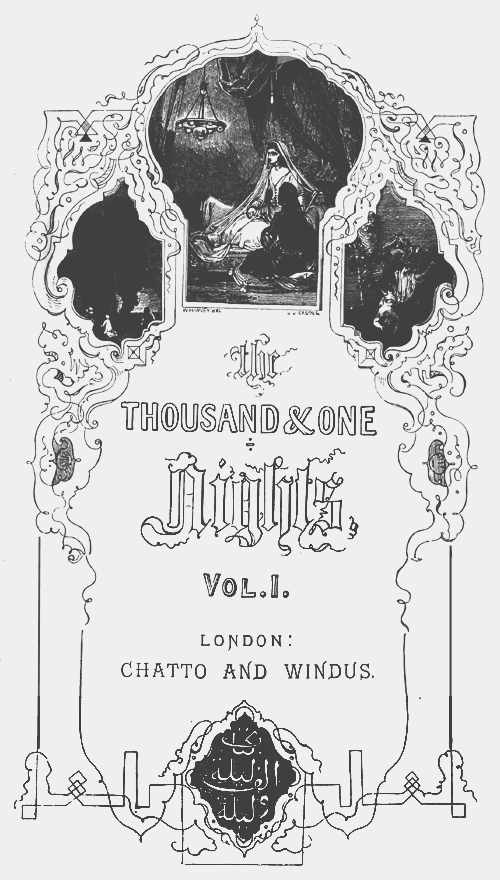
Ornamental Title.--At the foot is the Title in Arabic
printer's mark
printer's mark
illustration
Illustration 3
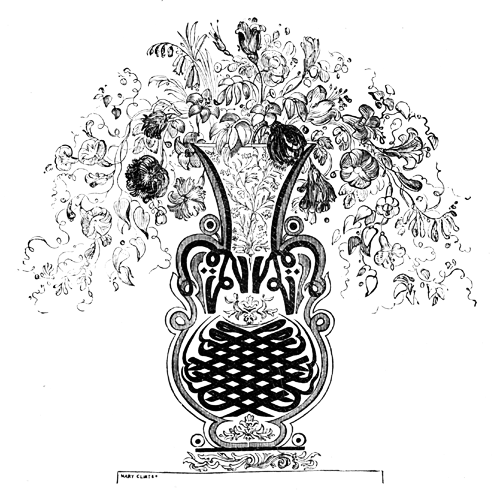
Head-piece to Preface.--The Vase is formed of the Arabic words signifying 'In the name of God, the Compassionate, the Merciful' (always placed at the head of a Muslim work), written doubly, and contrarily
Tail-piece to Preface
Head-piece to Table of Contents
Tail-piece to Table of Contents
Head-piece to List of Illustrations
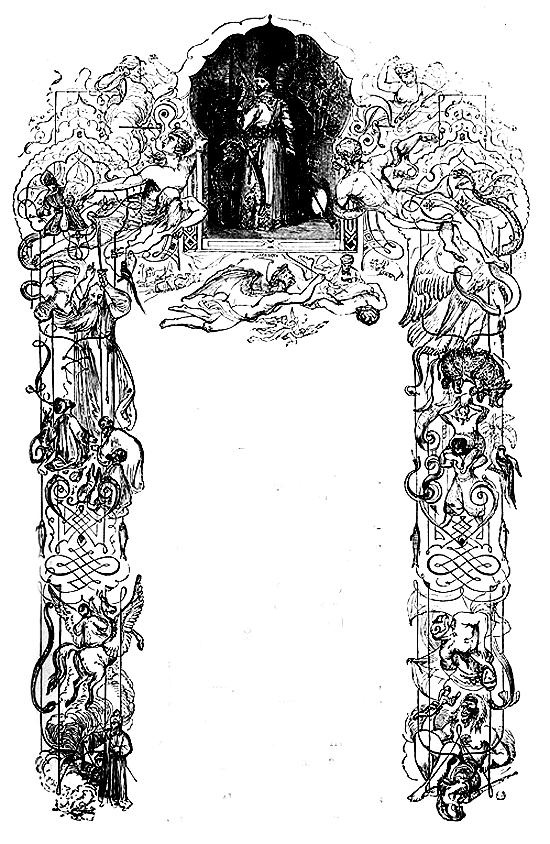
Shahriyár going out to hunt, and Ornamental Border
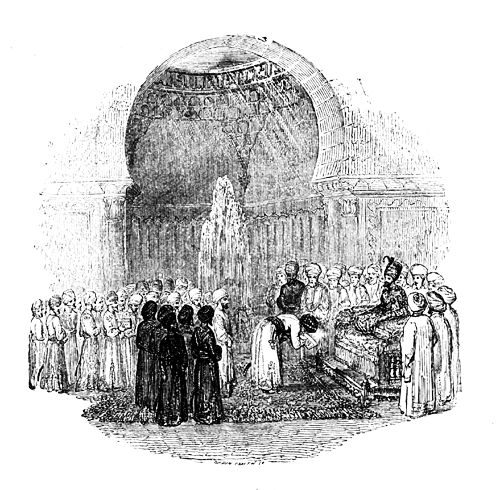
The Wezeer presenting the letter to Sháh-Zemán
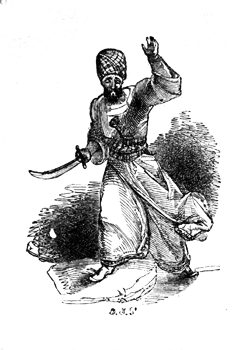
Sháh-Zemán, after having killed his Wife
Meeting of Shahriyár and Sháh-Zemán
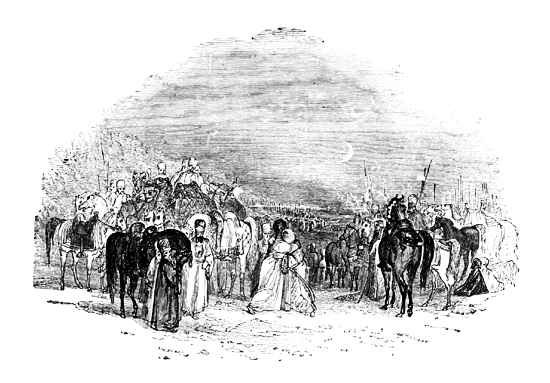
It is related (but God alone is all-knowing,[i_3] as well as all-wise, and almighty, and all-bountiful,) that there was, in ancient times, a King[i_4] of the countries of India and China, possessing numerous troops, and guards, and servants, and domestic dependents: and he had two sons; one of whom was a man of mature age; and the other, a youth. Both of these princes were brave horsemen; but especially the elder, who inherited the kingdom of his father; and governed his subjects with such justice that the inhabitants of his country and whole empire loved him. He was called King Shahriyár:[i_5] his younger brother was named Sháh-Zemán,[i_6] and was King of Samarḳand.[i_7] The administration of their governments was conducted with rectitude, each of them ruling over his subjects with justice during a period of twenty years with the utmost enjoyment and happiness. After this period, the elder King felt a strong desire to see his brother, and ordered his Wezeer[i_8] to repair to him and bring him. [Illustration]
PreviousPage 39 of 573
Next