The Thousand and One Nights, Vol. I.: Commonly Called the Arabian Nights' Entertainments

Free to read — public domain
About this book

12 illustration(s) from this book
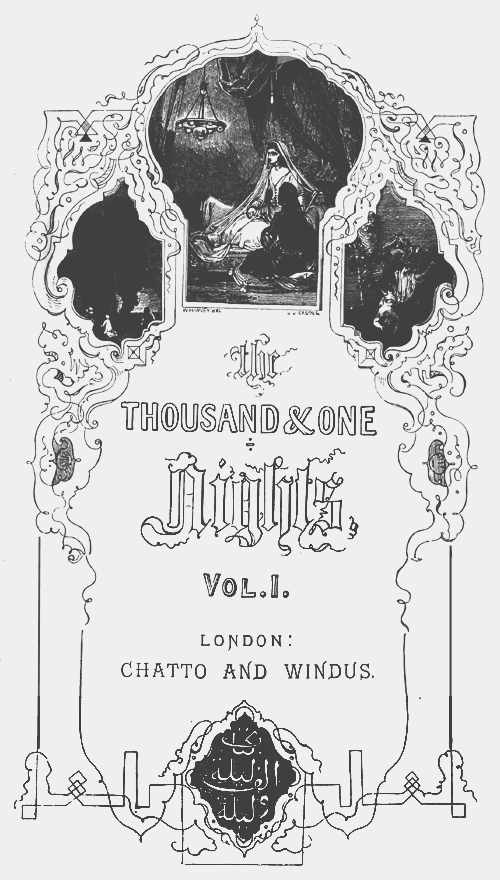
Ornamental Title.--At the foot is the Title in Arabic
printer's mark
printer's mark
illustration
Illustration 3
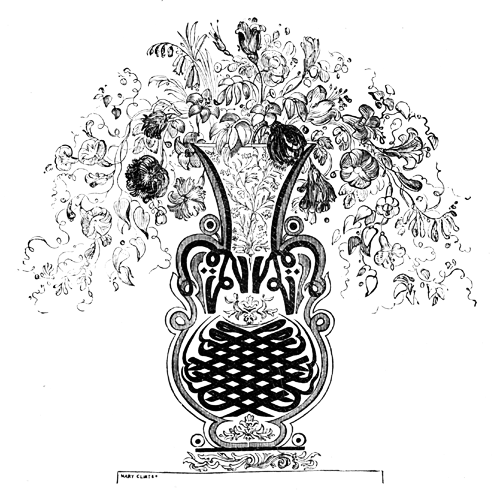
Head-piece to Preface.--The Vase is formed of the Arabic words signifying 'In the name of God, the Compassionate, the Merciful' (always placed at the head of a Muslim work), written doubly, and contrarily
Tail-piece to Preface
Head-piece to Table of Contents
Tail-piece to Table of Contents
Head-piece to List of Illustrations
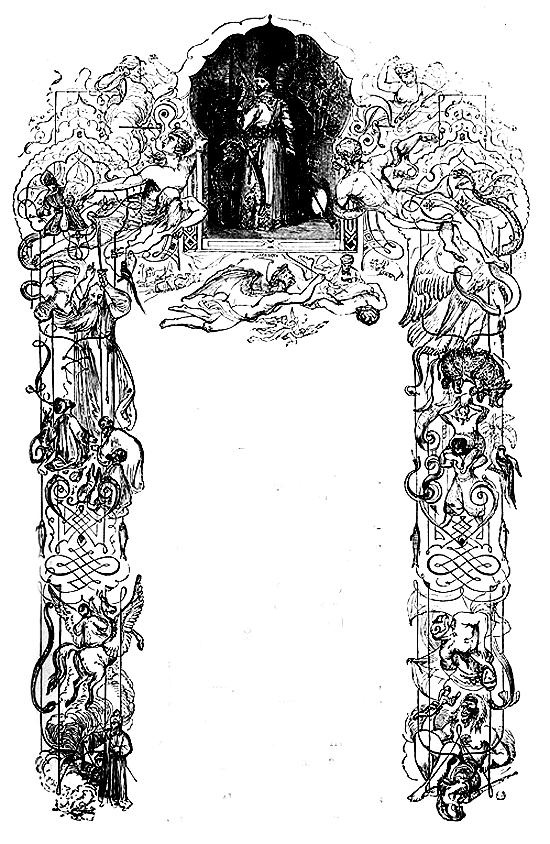
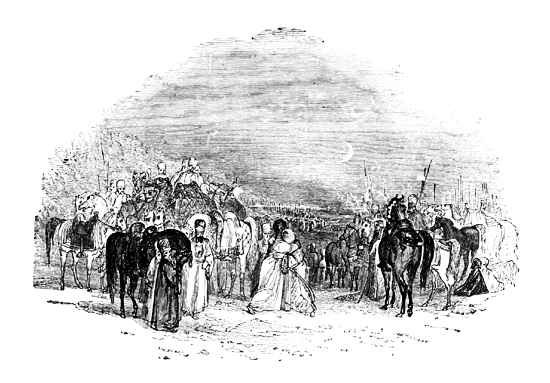
Shahriyár going out to hunt, and Ornamental Border
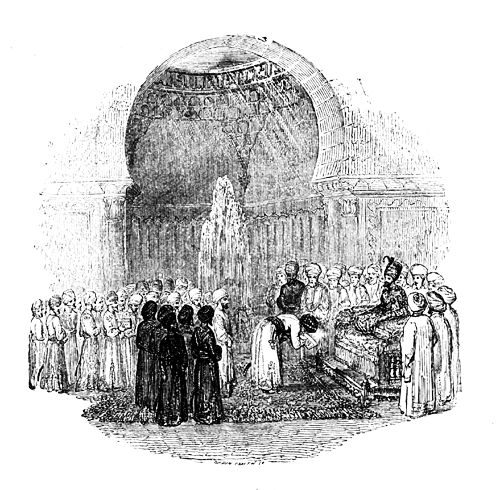
The Wezeer presenting the letter to Sháh-Zemán
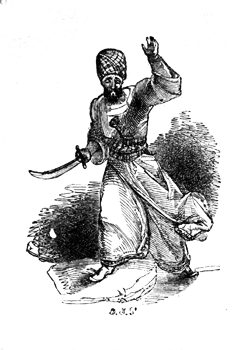
Sháh-Zemán, after having killed his Wife
Meeting of Shahriyár and Sháh-Zemán
"Convinced of the truth of this assertion, I consider myself possessed of the chief qualifications for the proper accomplishment of my present undertaking, from my having lived several years in Cairo, associating almost exclusively with Arabs, speaking their language, conforming to their general habits with the most scrupulous exactitude, and received into their society on terms of perfect equality. Since the downfall of the Arab Empire of Baghdád, Cairo has been the chief of Arabian cities: its Memlook Sulṭáns, introduced into Egypt in their youth, naturally adopted, to a great degree, the manners of its native inhabitants, which the 'Osmánlee Turks in later days have but little altered. Cairo is the city in which Arabian manners now exist in the most refined state; and such I believe to have been the case when the present work was composed."
PreviousPage 8 of 573
Next