The Thousand and One Nights, Vol. I.: Commonly Called the Arabian Nights' Entertainments

Free to read — public domain
About this book

12 illustration(s) from this book
Ornamental Title.--At the foot is the Title in Arabic
printer's mark
printer's mark
illustration
Illustration 3
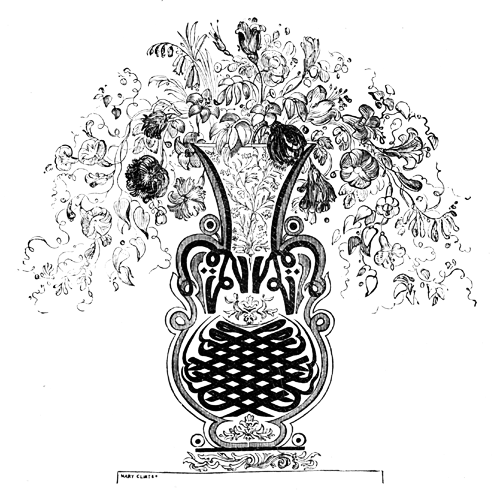
Head-piece to Preface.--The Vase is formed of the Arabic words signifying 'In the name of God, the Compassionate, the Merciful' (always placed at the head of a Muslim work), written doubly, and contrarily
Tail-piece to Preface
Head-piece to Table of Contents
Tail-piece to Table of Contents
Head-piece to List of Illustrations
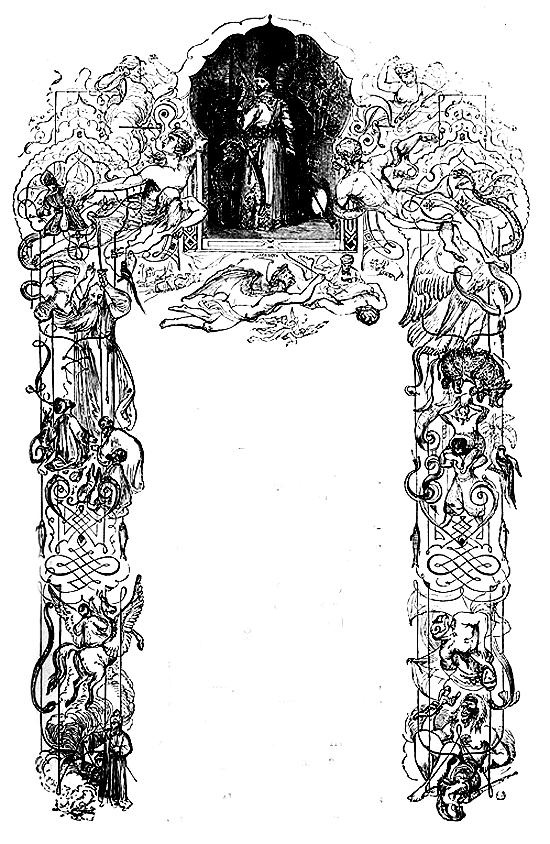
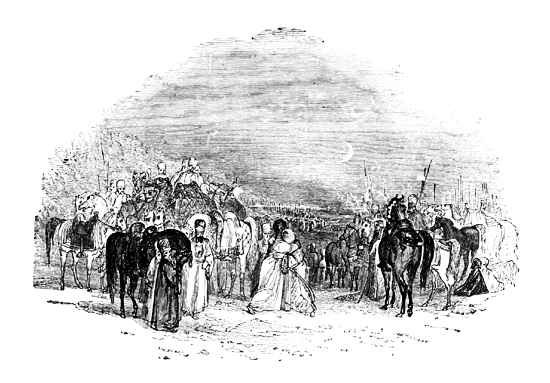
Shahriyár going out to hunt, and Ornamental Border
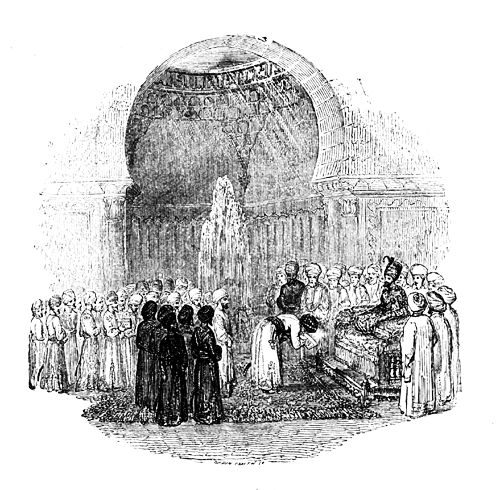
The Wezeer presenting the letter to Sháh-Zemán
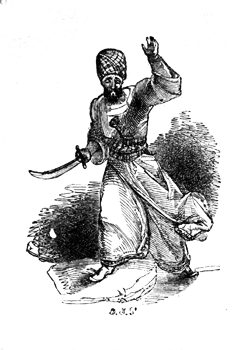
Sháh-Zemán, after having killed his Wife
Meeting of Shahriyár and Sháh-Zemán
NOTE 10.--_On Presents._ The custom of giving presents on the occasion of paying a visit, or previously, which is of such high antiquity as to be mentioned in the book of Genesis,[44] has continued to prevail in the East to this day. Presents of provisions of some kind, wax candles, &c., are sent to a person about to celebrate any festivity, by those who are to be his guests: but after paying a mere visit of ceremony, and on some other occasions, only money is commonly given to the servants of the person visited. In either case, the latter is expected to return the compliment on a similar occasion by presents of equal value. To reject a present generally gives great offence; being regarded as an insult to him who has offered it. When a person arrives from a foreign country, he generally brings some articles of the produce or merchandise of that country as presents to his friends. Thus, pilgrims returning from the holy places bring water of Zemzem, dust from the Prophet's tomb, &c., for this purpose.--Horses, and male and female slaves, are seldom given but by kings or great men. Of the condition of slaves in Mohammadan countries, an account will be given hereafter.
PreviousPage 75 of 573
Next